
Auto Repair Risk Management: Financial Planning for Aging Vehicles
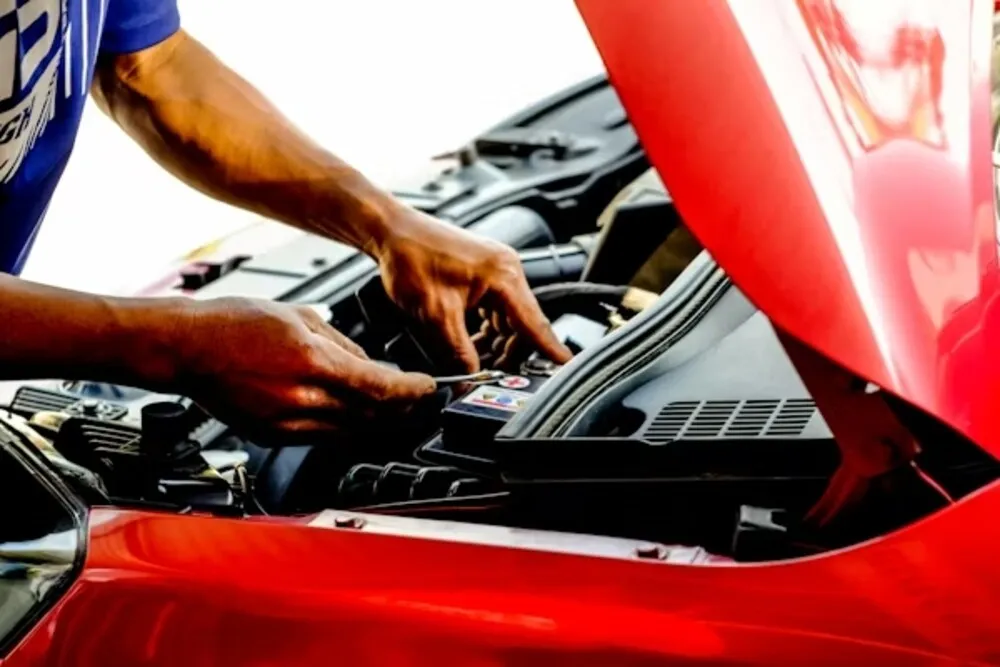

Description: |
|
| Repair Risk Management for Aging Vehicles Vehicles are not just transportation tools. They are depreciating assets with unpredictable cost curves. As cars age, repair frequency increases, part failures become more likely, and maintenance shifts from routine servicing to structural replacement. For professionals and decision-makers managing personal or fleet vehicles, repair risk becomes a financial planning issue rather than a mechanical one. The average vehicle on the road today is older than it was a decade ago. Owners are keeping cars longer due to rising vehicle prices, improved manufacturing quality, and economic pressure. This shift changes the financial equation. The question is no longer whether a car will need repairs. The question is how those repairs will be financed and controlled. Understanding Repair Risk in Older Cars Repair risk is not linear. New vehicles follow predictable maintenance cycles. Older vehicles operate differently. Component wear compounds over time. Electrical systems degrade. Transmission and engine failures become statistically more likely after specific mileage thresholds. The financial volatility increases because repair events cluster rather than spread evenly. One year may pass with minor expenses. The next may include a major transmission rebuild, suspension overhaul, and electronic module replacement. For owners without structured coverage, these events become cash-flow shocks. This is where structured protection models become relevant. Well-documented frameworks explaining how auto repair insurance works for aging vehicles provide valuable guidance to decision-makers evaluating risk exposure. The key value of such resources lies in clarifying coverage scope, eligibility for older cars, and the difference between standard warranties and extended repair plans. Rather than promoting purchase, these explanations help professionals calculate whether transferring repair risk makes financial sense. Older vehicles typically face three cost accelerators:
These accelerators create a gap between ownership duration and financial predictability. The Cost Curve of Aging Vehicles Vehicles generally follow a predictable depreciation curve but an unpredictable repair curve. Depreciation slows over time. Repair exposure increases. This inversion creates a decision point. When the expected repair cost begins to exceed the vehicle’s remaining market value over a short period, owners must evaluate whether protection or replacement is more rational. Repair insurance models address this gap by converting unpredictable repair spikes into predictable monthly payments. The value proposition depends entirely on the owner’s risk tolerance and financial strategy. Financial Strategy: Balancing Insurance, Depreciation, and Ownership Costs Financial planning for older vehicles requires more than comparing premiums and potential payouts. It requires integrating asset value, liquidity, and long-term ownership goals. Professionals managing fleets or multiple personal vehicles often apply risk management frameworks similar to those used in other asset classes. The objective is not to eliminate cost but to stabilize it. When Repair Coverage Makes Economic Sense Repair coverage becomes economically rational under specific conditions:
For example, consider a vehicle worth $8,000 with an expected annual repair risk of $2,000 in worst-case scenarios. If coverage stabilizes that exposure at a lower predictable annual cost, the decision becomes financial rather than emotional. However, if the vehicle’s residual value is extremely low and multiple major systems are near end-of-life simultaneously, replacement may provide better long-term stability. Asset Protection Versus Replacement Replacement decisions are often driven by fear of failure rather than structured analysis. Yet replacing a vehicle introduces its own depreciation curve. A newer used vehicle may still require repairs, while also restarting the depreciation cycle. Repair coverage for an aging but mechanically sound car can extend usable lifespan without reintroducing steep depreciation. The correct choice depends on comparing:
This comparison shifts the conversation from reactive spending to proactive planning. Risk Transfer as a Financial Tool Insurance in any asset class functions as risk transfer. Vehicle repair coverage is no different. It converts uncertain, high-severity costs into fixed, manageable payments. For professionals, the value lies not only in potential claim coverage but in budget predictability. Stable budgeting supports broader financial planning, especially when managing multiple vehicles or corporate transportation assets. This approach mirrors strategies used in property management, where maintenance reserves or protection plans stabilize unpredictable costs. Evaluating Repair Exposure with Data Decision-makers should avoid emotional heuristics when evaluating older vehicles. Instead, they should assess exposure using measurable factors:
Vehicles with consistent maintenance histories and strong reliability records may justify extended retention with structured protection. Vehicles with erratic maintenance and declining reliability may warrant exit. Strategic Benefits Beyond Cost Repair protection provides indirect strategic benefits. It supports resale positioning. Vehicles with transferable coverage may command higher buyer confidence. It also reduces downtime stress in professional contexts where vehicle availability directly affects productivity. For fleet operators, minimizing downtime can be more valuable than minimizing absolute repair cost. The Psychology of Predictability Financial predictability reduces stress. Owners of aging vehicles often underestimate the psychological impact of sudden high repair bills. Even when financially manageable, unexpected expenses disrupt planning and decision flow. Structured repair coverage reduces this volatility. Predictability improves decision clarity across unrelated financial areas. Long-Term Ownership Planning Owners keeping vehicles beyond traditional trade-in cycles must treat them as managed assets. This requires annual evaluation rather than passive ownership. A structured review process should include:
This process ensures decisions remain rational rather than reactive. Conclusion Aging vehicles introduce financial volatility that demands structured thinking. Repair risk is not an anomaly. It is a predictable outcome of long-term ownership. Professionals and decision-makers should treat vehicle repair exposure as a financial planning issue rather than a mechanical inconvenience. Structured coverage options, when evaluated correctly, can stabilize costs and extend asset utility. The correct strategy depends on data, risk tolerance, and long-term objectives. By integrating depreciation, repair probability, and financial predictability into one framework, owners can transform aging vehicles from liabilities into managed assets. |
|
Members profile: |
|
| Advertised by: | Denys (click here to see full profile) |
| Email: | Email Advertiser |
Ad Details |
|
| Garage Spaces (put 0 if this does not apply) | 0.00 |
| Price: | $50 USD |
Website |
|
| Website | https://optimalwarranty.com/learning-center/auto-repair-insurance-f... |
| Website | https://optimalwarranty.com/learning-center/auto-repair-insurance-f... |
| Ad id: | 89435235 |
| Views: | 7975 |