
Common Myths About Owning a European Car

Description: |
|
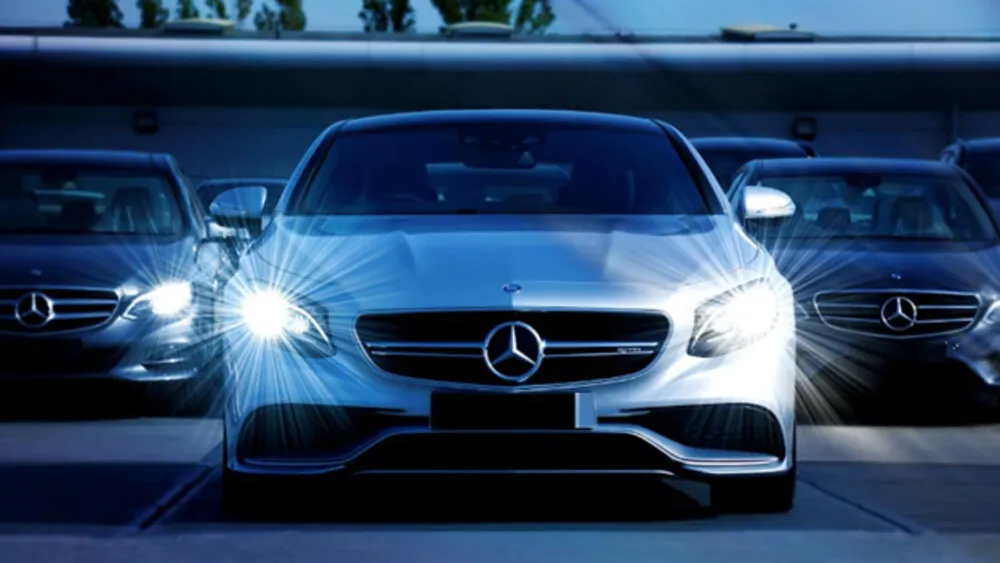
| Many drivers admire European cars but hesitate when it comes time to buy one. They hear stories about high costs, constant repairs, and complex systems. These concerns often come from people who never owned one or from experiences years ago. Modern European cars are different. They are built with strong engineering, clear service plans, and a focus on long-term driving comfort. If you feel unsure because of what you have heard, you are not alone. This article clears up common myths and explains what owning a European car is really like today, without hype or exaggeration. Myth: European cars are unreliable by design One of the biggest myths is that European cars are unreliable by nature. This belief often comes from cars that did not receive proper care. European manufacturers design their vehicles to work best when owners follow service schedules. When drivers skip oil changes or ignore warning lights, problems show up faster. That does not mean the car is poorly built. In fact, many European cars last for years when owners stay on top of basic maintenance. Reliability depends more on care than on the badge on the hood. Myth: European cars break down without warning Some drivers believe European cars break down more often than others. What really happens is that these cars tend to warn you early. Sensors and alerts let you know when something needs attention. Older cars without this tech often fail without warning. That difference creates the idea that European cars have more issues. In reality, they just communicate better. When addressed early by a trained European auto repair specialist, small issues rarely turn into roadside breakdowns. Myth: European cars need constant maintenance Another common belief is that European cars need constant service. In truth, most follow clear and predictable service intervals. Oil changes, brake service, and inspections happen at set times. These cars do not demand attention every month. They ask for consistency. Owners who follow the schedule often visit the shop less than drivers who wait for problems to appear. Regular care keeps systems working together as designed. Myth: European cars are too complex for regular drivers European cars do use advanced technology, but that does not make them hard to own. Many features work in the background and require no input from the driver. Systems that manage braking, handling, or engine performance aim to improve safety and comfort. Drivers do not need technical knowledge to enjoy them. You simply drive the car. Trained technicians handle the complexity during service, not the owner. Myth: Only dealerships can service European cars Many people think only dealerships can work on European cars. That idea is outdated. Skilled independent shops now specialize in these vehicles and use the same diagnostic tools. They understand brand-specific systems and service needs. This gives owners more choice and often a better experience. You can get expert care without the formal feel or high prices that some expect from a dealership. Myth: Every European car repair is expensive Many people assume every European car repair comes with a high bill. That belief ignores how repairs actually work. Costs depend on the problem, how early it gets fixed, and who works on the car. Small issues cost less when handled early. Waiting almost always raises the price. European cars often use durable parts that last longer when maintained. When owners choose the right auto repair shop and stay ahead of service needs, costs stay predictable and manageable. Myth: European cars are not practical for daily driving Some drivers think European cars are only built for performance or weekend driving. That idea does not match real-world use. Many models are designed for daily commutes, traffic, school runs, and long highway trips. They focus on comfort, safety, and smooth handling. Seats support long drives. Steering stays steady at high speeds. These cars aim to make everyday driving easier, not harder. Myth: Finding parts for European cars is hard Another common myth is that parts for European cars are hard to find. This may have been true years ago. Today, supply chains are better and parts are widely available. Many common components come from shared suppliers across brands. Aftermarket options also exist for routine service parts. For most repairs, shops do not wait weeks for delivery. Availability rarely causes long delays. Myth: European cars cannot handle hot climates Drivers in warm areas often worry that European cars cannot handle heat. In reality, these vehicles are engineered to operate in many climates. Cooling systems, fluids, and materials are designed to manage high temperatures. Problems usually come from skipped maintenance, not climate. Worn hoses, old coolant, or weak batteries struggle in heat. When serviced on time, European cars handle hot conditions as well as any modern vehicle. Myth: European cars are only for car enthusiasts Many people believe European cars suit only car enthusiasts. This belief turns away practical drivers who want comfort and safety. You do not need mechanical knowledge to own one. Modern systems handle much of the work for you. Service reminders tell you when care is needed. Driving remains simple and familiar. Owners who treat the car responsibly often find ownership easier than expected. Myth: European cars do not last very long Many drivers believe European cars wear out faster than other vehicles. This idea usually comes from cars that missed regular service. European vehicles are designed with long-term use in mind. Engines, transmissions, and suspension systems can last for many years when owners follow service schedules. Fluids, belts, and filters play a major role in how long a car lasts. When drivers stay consistent with care, European cars often remain reliable well into higher mileage ranges. Most myths about owning a European car come from old stories or poor maintenance habits. These cars reward owners who follow basic care plans and address issues early. They offer comfort, safety, and long-term value when maintained properly. European cars are not fragile, confusing, or impractical. They are well-engineered vehicles built for real driving. When judged by facts instead of rumors, European car ownership makes sense for many drivers. |
|
Members profile: |
|
| Advertised by: | Zyana Morris (click here to see full profile) |
| Email: | Email Advertiser |
Ad Details |
|
| Garage Spaces (put 0 if this does not apply) | 0.00 |
| Price: | $0 USD |
| Seller and Buyer FEE Negotiations | No |
| Celebrity Owned | No |
| Ad id: | 56175191 |
| Views: | 11619 |