
Common Security Risks for Businesses: How Supreme Security Prevents Them
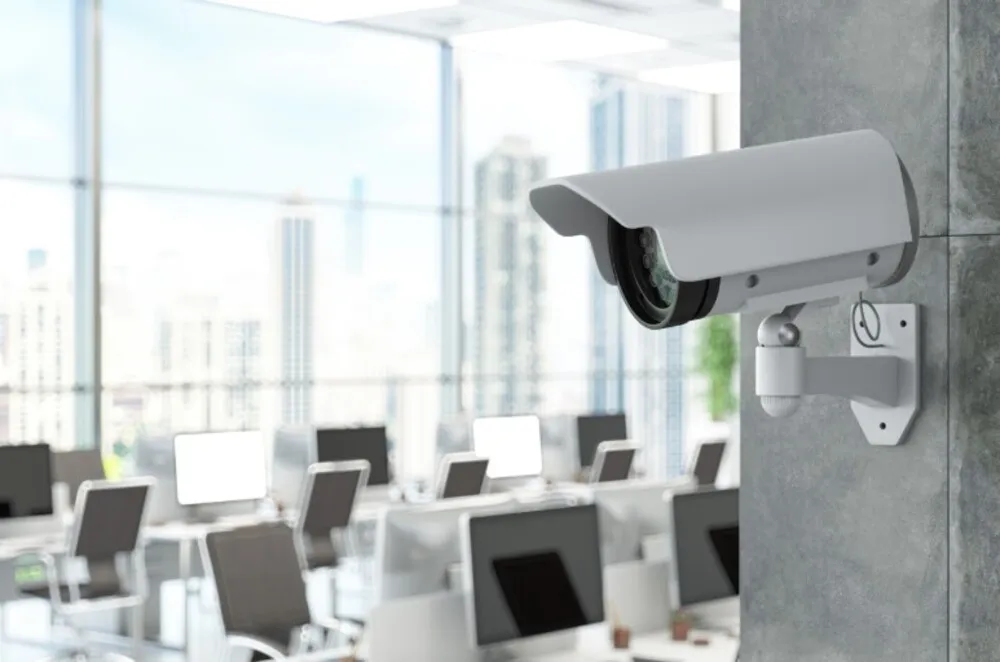

Description: |
|
| Quick Answer Security systems address common security risks for businesses, including burglary, theft, vandalism, unauthorized access, and emerging cyber threats like phishing or ransomware. Professional security services implement layered defenses with alarms, surveillance, access control, and 24/7 monitoring to detect intrusions early, deter criminals, and provide rapid response. This approach reduces losses, protects assets, and maintains operational continuity through proven industry standards and technologies Introduction Business owners and managers frequently face the reality of rising threats that can disrupt operations and cause significant financial damage. Physical break-ins, employee theft, vandalism, and unauthorized entry remain persistent concerns, while digital risks such as data breaches and phishing attempts compound the challenges in an increasingly connected environment. Supreme Security ( supremesecurity.com/ ) exemplifies the application of high-quality systems designed for commercial settings, where advanced cameras, motion sensors, access controls, and real-time monitoring work together to identify risks promptly and limit exposure. Such strategies align with best practices that prioritize prevention over reaction, helping organizations maintain safety without constant manual intervention. Understanding Common Security Risks for Businesses Businesses often confront tangible dangers that can lead to immediate losses and disruptions in daily operations. Physical Threats to Commercial Properties Burglary stands out as a primary concern, where intruders target unprotected entry points during off-hours to steal valuable equipment or inventory. Vandalism follows closely, involving deliberate damage to structures or assets that not only incur repair costs but also affect employee morale and customer perception. Unauthorized access exacerbates these issues, allowing outsiders or even former staff to enter restricted areas without detection. These physical vulnerabilities stem from inadequate barriers or oversight, leaving gaps that criminals exploit with relative ease. Professional approaches emphasize assessing site layouts to identify weak spots, such as poorly lit exteriors or unsecured doors, which contribute to higher incident rates in commercial environments. Cyber Threats in the Digital Age As operations increasingly rely on connected technologies, digital perils pose escalating challenges that can compromise sensitive data and halt productivity. Phishing attacks deceive employees into revealing credentials, opening doors to broader network infiltrations that result in data theft or ransomware demands. Malware infections, often introduced through unsecured devices, spread rapidly to disrupt systems and expose confidential information. Businesses usually underestimate the interplay between physical and digital realms, where a compromised access point can serve as a gateway for virtual assaults. Industry standards highlight the need for robust protocols to counter these evolving tactics, drawing from experiences where lapses led to substantial financial repercussions. Insider Risks and Human Factors Internal threats arise from within the organization, where trusted individuals might intentionally or accidentally cause harm. Employee theft involves misappropriation of resources, while sabotage could stem from disgruntled staff damaging equipment or leaking trade secrets. Negligence, such as failing to follow protocols, amplifies these dangers by creating unintended openings for exploitation. Beyond the basics, addressing these requires cultivating a culture of accountability through training and clear policies. Here is a list of common insider vulnerabilities: - Lack of background checks during hiring increases the chance of malicious actors. - Insufficient access restrictions, allowing overprivileged users to mishandle data. - Poor incident reporting mechanisms, delaying response to suspicious behavior. How Professional Systems Mitigate Physical and Cyber Threats Professional security systems ( www.forbes.com/home-improvement/home-security/home-security-system-cost/ ) establish multiple defensive layers that work together to reduce exposure to burglary, vandalism, and unauthorized entry. Layered Physical Protection Strategies Motion detectors combined with perimeter sensors detect movement at the earliest stages, while high-resolution surveillance cameras provide visual documentation that deters potential intruders and supplies evidence when needed. Access control mechanisms, such as keycard readers or biometric scanners, restrict entry to authorized personnel only, logging every interaction for audit purposes. In practice, these components integrate seamlessly to create a unified barrier. Visible signage announcing monitored protection further discourages opportunistic criminals, as studies indicate that clearly displayed systems significantly lower break-in probabilities compared to unprotected sites. Integration of Monitoring and Response Capabilities Security monitoring companies deliver constant oversight that transforms passive hardware into active defense. Central stations receive immediate signals from alarms or sensors, verifying threats through video feeds before dispatching authorities or notifying business owners. This rapid verification process minimizes false alarms while accelerating legitimate responses, often within minutes of detection. The result is a substantial decrease in successful incidents, since criminals prefer targets without real-time intervention. Advanced platforms also support remote access, allowing managers to view live footage or lock down facilities from anywhere, adding flexibility in hybrid operational environments. Addressing Emerging Hybrid Threats Modern threats increasingly blur physical and digital boundaries, where a compromised entry could enable data exfiltration or malware introduction. Integrated security services counter this by incorporating network-secure devices and encrypted communications, preventing unauthorized remote access to control panels or cameras. Regular firmware updates and secure configurations close potential exploitation paths that attackers target in connected environments. The Role of Security Monitoring Companies in Ongoing Protection Security companies provide the backbone for sustained defence by maintaining 24-hour vigilance over connected security systems. Continuous Oversight and Rapid Intervention Trained operators analyze incoming signals from alarms, sensors, and cameras in real time, distinguishing genuine threats from environmental triggers or accidental activations. This human element, combined with technology, delivers verification that automated setups alone cannot achieve, often confirming incidents through live video before alerting responders. The result is a marked reduction in response times, frequently cutting minutes off traditional police dispatch delays. Businesses benefit from this proactive layer, as documented industry data shows monitored properties experience up to 60 percent fewer successful burglaries than those relying solely on local alarms. Regular Maintenance and System Optimization Long-term reliability depends on consistent upkeep that prevents performance degradation over time. Professional providers conduct scheduled inspections, testing batteries, sensors, and connections while updating software to address emerging vulnerabilities. These routines catch issues early, such as lens obstructions on cameras or sensor drift, preserving detection accuracy in varying seasonal conditions. Most often, neglected systems lose effectiveness quickly, with false alarm rates climbing and coverage gaps forming unnoticed. Structured maintenance programs align with manufacturer specifications and regional building codes, extending equipment lifespan while keeping protection current against evolving criminal methods. Here is a list of essential ongoing maintenance tasks: - Battery replacement every 12 to 24 months to prevent power failures. - Camera lens cleaning and alignment checks quarterly. - Firmware and software patches applied promptly after release. - Sensor sensitivity calibration to match environmental changes. - Full system testing at least biannually. Implementing these professional practices creates resilient protection that preserves assets, supports business continuity, and fosters confidence among stakeholders. When businesses invest in quality security systems backed by reliable monitoring, they position themselves to handle current risks while preparing for whatever challenges emerge next. Securing Business Resilience Through Professional Protection Businesses face a spectrum of threats ranging from traditional physical intrusions to sophisticated cyber intrusions and internal vulnerabilities that can compromise operations at any moment. Professional security systems deliver layered defences that address these risks systematically, combining reliable hardware with intelligent monitoring to detect issues early and limit potential damage. Continuous oversight from security monitoring companies adds the critical human verification and swift response element that standalone solutions lack. In the end, committing to quality security systems represents a strategic decision that safeguards both immediate safety and long-term viability in an unpredictable environment. |
|
Members profile: |
|
| Advertised by: | Dmitry Zharkov (click here to see full profile) |
| Email: | Email Advertiser |
Ad Details |
|
| Garage Spaces (put 0 if this does not apply) | 0.00 |
| Price: | $0 USD |
Website |
|
| Website | https://supremesecurity.com |
| Website | https://supremesecurity.com |
| Ad id: | 34605291 |
| Views: | 1130 |