
Wheels and Rims Explained: What’s the Difference and Why It Matters


Description: |
|
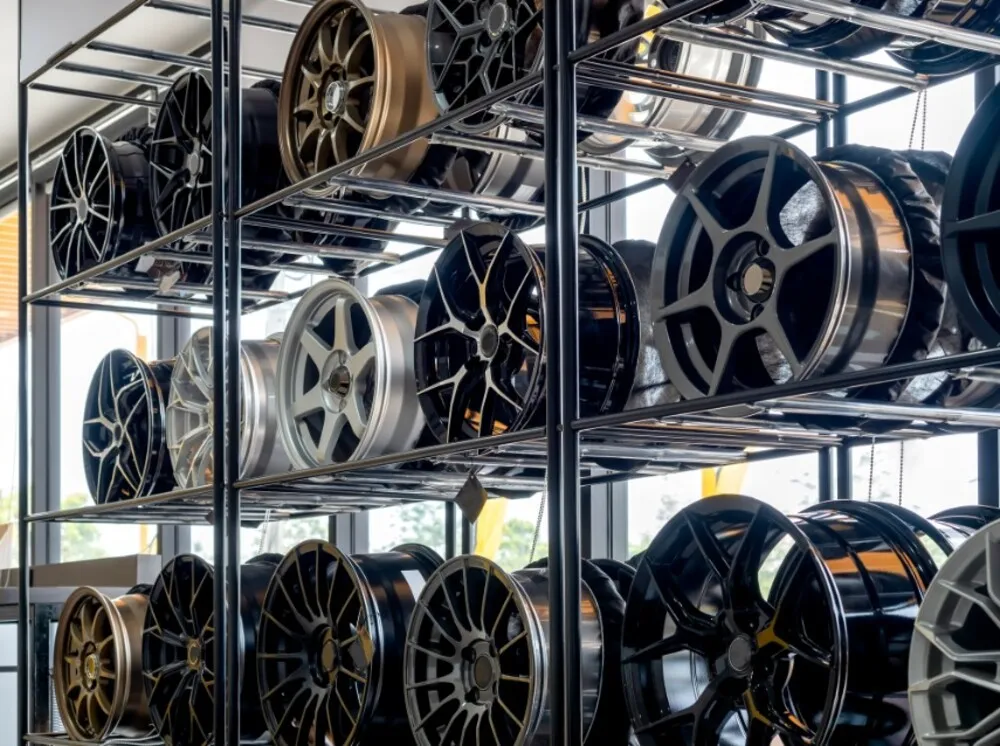
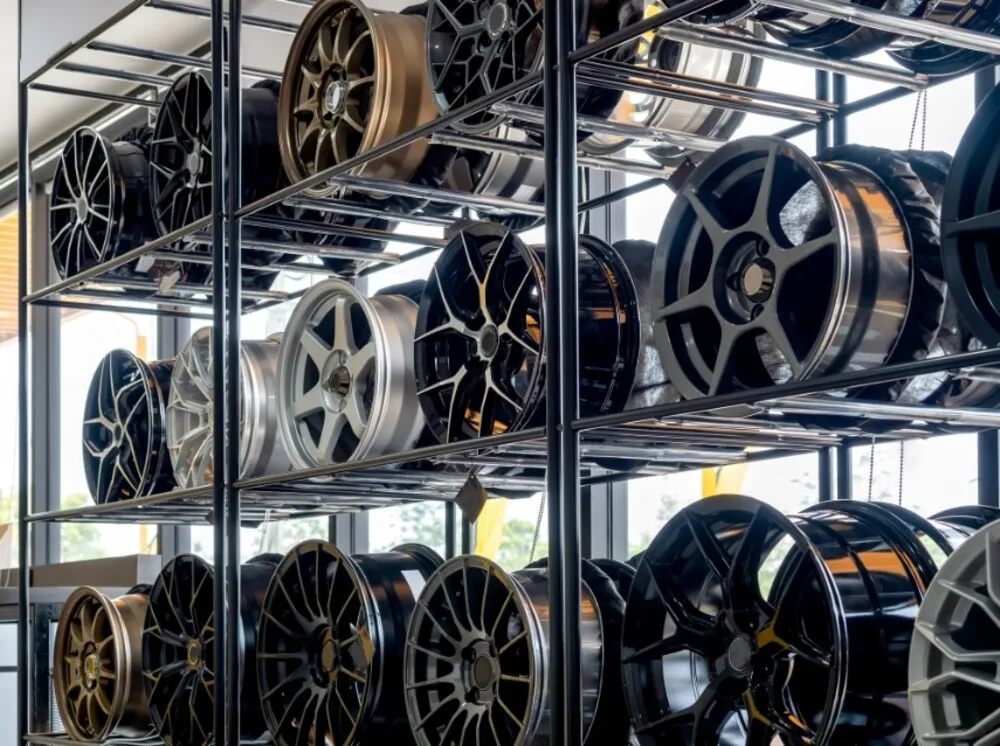
| Quick Answer Many people use the terms “wheels” and “rims” interchangeably, but they aren’t the same thing. A wheel is the entire metal assembly that includes the hub, spokes, and the outer rim. The rim, specifically, is just the outer edge of the wheel that holds the tire in place. Understanding this distinction matters because it affects everything from vehicle safety and handling to ride comfort and aesthetics. Choosing the right components ensures proper fitment, optimal performance, and long-term reliability - whether you’re driving a compact sedan or a heavy-duty pickup. Introduction Picture this: you’re scrolling through an online auto parts store, trying to upgrade your vehicle’s look or replace a bent component after hitting a pothole. You see listings for “wheels,” others labeled “rims,” and some that say “wheel and rim packages.” Suddenly, you’re not sure what you actually need - or whether you’ve been using the right terms all along. This confusion is more common than you’d think. In everyday conversation, most drivers say “wheels and rims” ( goodtirecalgary.ca/wheels-rims-calgary/ ) when referring to the whole circular part visible behind the brake calipers. But technically, only part of that assembly is the rim. Getting clarity on this can save you time, money, and even prevent compatibility issues. What’s the Real Difference Between Rims and Wheels? At first glance, it’s easy to assume “rims” and “wheels” describe the same thing - after all, they’re both round, bolt onto your car, and hold your tires. But in automotive engineering and repair contexts, the distinction is clear, practical, and worth understanding. Breaking Down the Anatomy of a Wheel A wheel is the complete circular unit that mounts to your vehicle’s hub. It consists of several key parts: - Hub: The central part that attaches to the axle. - Spokes: The radial supports connecting the hub to the outer edge. - Rim: The outermost lip that secures the tire bead. So, the rim is just one component of the wheel - specifically, the part that interfaces directly with the tire. If you’ve ever had a tire changed, the technician removed the tire from the rim, not the entire wheel. Common Misconceptions Clarified Many people say “I just bought new rims” when they’ve actually purchased full replacement wheels - often with flashy designs or larger diameters. In casual conversation, this isn’t wrong, but it can cause confusion during repairs or shopping. For example: - A bent rim might be repairable without replacing the whole wheel. - Upgrading to lighter wheels could improve fuel efficiency and handling - not just appearance. - Materials and Construction: How They Differ in Practice While both terms relate to the same assembly, material choices affect performance differently depending on which part you’re discussing: Component - Common Materials - Key Characteristics Rim (as part of the wheel) - Steel, aluminum alloy, magnesium alloy - Must be strong enough to seal against tire pressure; prone to curb damage Full Wheel Assembly - One-piece cast alloy, multi-piece forged, steel - Affects weight distribution, heat dissipation, and suspension response Steel wheels are often used in base-model vehicles or winter setups because they’re durable and inexpensive. Alloy wheels - typically made from aluminum - are lighter, dissipate heat better, and offer more design flexibility, making them popular for performance and aesthetic upgrades. Why the Distinction Matters for Drivers Understanding the difference between rims and wheels isn’t just academic - it has real-world implications: - Safety: A cracked rim can cause slow air leaks or sudden tire failure, even if the rest of the wheel looks fine. - Fitment: When buying aftermarket parts, you need to match bolt patterns, offset, and diameter - specs that apply to the full wheel, not just the rim. - Maintenance: Cleaning or repairing a corroded rim requires different techniques than balancing or straightening a warped wheel. For truck owners, these considerations become even more critical. Truck wheels and rims must handle heavier loads, off-road stress, and frequent towing - so material strength and correct sizing aren’t optional. A mismatch here can lead to premature wear on bearings, uneven tire tread, or even wheel detachment in extreme cases. What to Consider When Choosing or Replacing Wheels and Rims Now that you understand the structural and functional differences, the next logical step is knowing how to choose the right components for your vehicle. Whether you’re replacing a damaged unit at Good Tire ( www.google.com/maps/place/Good+Tire/data=!4m2!3m1!1s0x0:0x4b51cc2dbbf000e0?sa=X&ved=1t:2428&ictx=111 ), upgrading for performance, or customizing for style, several factors come into play beyond just looks. Key Fitment Specifications You Can’t Ignore Before falling in love with a design, verify these technical details - they ensure your new rims and wheels will actually work with your vehicle: - Bolt Pattern (or Lug Pattern): The number of lug holes and the diameter of the circle they form (e.g., 5x114.3). - Offset: The distance from the wheel’s mounting surface to its centerline. Too much positive or negative offset can cause rubbing or handling issues. - Center Bore: The size of the hole in the middle of the wheel that fits over the hub. Must match or be adaptable to your vehicle’s hub diameter. - Load Rating: Especially important for SUVs and trucks - each wheel must support a minimum weight capacity. A mismatch in any of these can lead to vibrations, uneven tire wear, or even interference with suspension components. Style vs. Substance: Finding the Right Balance It’s tempting to go for ultra-low-profile tires on oversized wheels and rims, but consider your daily driving reality: - Larger diameters may improve cornering but reduce ride comfort on rough roads. - Deep-dish designs look aggressive but can limit clearance for brakes or suspension travel. - Matte black finishes hide scratches well but require special cleaners to maintain. If you live in an area with harsh winters or frequent gravel roads, durability might outweigh aesthetics. Many Canadian drivers keep two sets - one for summer performance and one for winter resilience. Special Considerations for Trucks and Heavy-Duty Vehicles When it comes to truck wheels and rims, function often dictates form. These vehicles demand: - Higher load ratings (often marked as “LT” for light truck). - Reinforced rims to handle off-road impacts. - Corrosion-resistant coatings if used for snow plowing or salt-heavy conditions. Also, note that some heavy-duty trucks use dual rear wheels (dually setups), which require specific wheel widths and offsets to prevent inner-tire rubbing. Maintenance Tips to Extend Lifespan Proper care keeps both rims and full wheels performing safely for years: - Clean alloy wheels regularly with pH-neutral cleaners - acidic or abrasive products can damage clear coats. - Inspect for curb rash, cracks, or bends after hitting potholes or road debris. - Re-torque lug nuts after the first 50–100 km following installation to ensure proper seating. And remember: even if your difference between rims and wheels knowledge is solid, always consult a fitment guide or professional before finalizing a purchase. A small spec error can turn a stylish upgrade into a garage-bound paperweight. Final Thoughts: Why Precision Matters on the Road In everyday conversation, swapping “wheels” and “rims” might not raise eyebrows - but when it comes to maintenance, upgrades, or safety, precision in language reflects precision in action. Knowing that the rim is just one part of the full wheel assembly helps you ask better questions, interpret product specs accurately, and avoid mismatched components that could compromise your vehicle’s performance. |
|
Members profile: |
|
| Advertised by: | Dmitry Zharkov (click here to see full profile) |
| Email: | Email Advertiser |
Ad Details |
|
| Garage Spaces (put 0 if this does not apply) | 0.00 |
| Price: | $0 USD |
Website |
|
| Website | https://goodtirecalgary.ca |
| Website | https://goodtirecalgary.ca |
| Ad id: | 34505290 |
| Views: | 1143 |