
Beyond the Price Tag: How to Tell If a Used Car Is Really Worth It
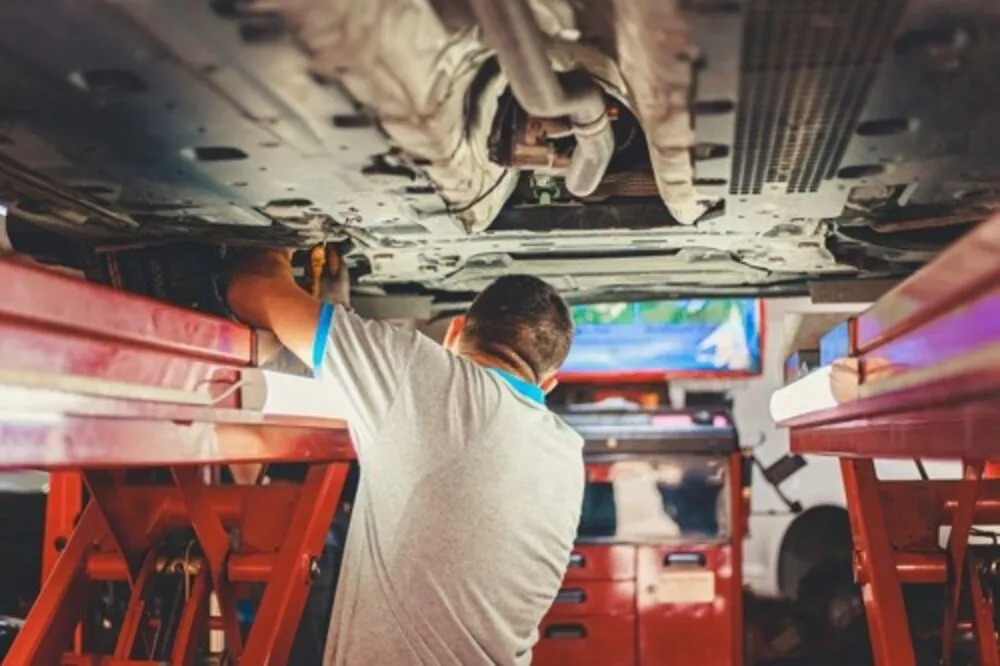

Description: |
|
Buying a used car can be a smart way to get more value for your money, but the lowest price does not always make the best deal. A vehicle that looks spotless during a quick viewing can still carry years of neglected maintenance, hidden damage, or expensive repairs waiting to surface. The key is to look beyond polished paint and a convincing sales pitch. History, mechanical condition, ownership costs, and suitability for your everyday life all help determine whether a used car is genuinely worth buying. Start With the Story Behind the Car Appearance matters, but history often tells you much more. Before getting attached to a vehicle, check its title status, accident history, recorded mileage, maintenance records, and previous ownership information. Service documentation can show whether routine work such as oil changes, brake maintenance, and other repairs was completed consistently. A vehicle history report is useful, but it should not be treated as a guarantee. Not every accident or privately completed repair necessarily appears in available records. Look for consistency instead. The mileage, condition, paperwork, and seller's explanation should all make sense together. Unexplained gaps or conflicting information deserve further investigation. Condition Matters More Than a Perfect Shine A clean interior and glossy exterior can create an excellent first impression, but mechanical condition matters much more once the car becomes yours. Check the tires for uneven wear, inspect visible fluids, and pay attention to warning lights. Test the windows, locks, climate controls, lights, infotainment system, and other electronics. Then take the vehicle for a proper test drive. Listen for unusual knocking, grinding, squealing, or rattling. Acceleration should feel consistent, steering should be predictable, and braking should not produce unusual vibrations or noises. If you are seriously considering a vehicle, a professional assessment can help uncover mechanical issues that may not be obvious during a test drive. Southern Built Autoworks provides diagnostics, repairs, and performance-related services that can help clarify a vehicle’s condition and potential maintenance needs. For more information, visit southernbuiltautoworks.com. Understanding what may need attention before you buy can help you make a more informed decision and avoid unexpected repair costs later. Mileage Needs Context The odometer is important, but it should never make the entire decision for you. A higher-mileage vehicle with a strong maintenance history may be in better condition than a lower-mileage example that has been neglected. How those miles accumulated also matters. Frequent short trips and stop-and-go driving can create different kinds of wear than steady longer-distance driving. Consider age alongside mileage. Vehicles that spend long periods unused can still develop problems with batteries, seals, fluids, tires, and other components. The better question is not simply, “How many miles does it have?” It is, “How well has the vehicle been maintained throughout those miles?” Calculate What Ownership Will Really Cost The purchase price is only the beginning. Insurance, fuel, tires, scheduled maintenance, registration, and repairs all contribute to the true cost of owning a vehicle. Certain models may look surprisingly affordable on the used market because maintenance or replacement parts are expensive. Research common problems associated with the model and consider what routine servicing typically costs. Check tire sizes too, since replacement prices can vary significantly. A slightly more expensive vehicle with predictable maintenance needs can sometimes be the better financial decision than a bargain that immediately needs several major repairs. The best used-car deal is not necessarily the cheapest one. It is the one whose total cost makes sense for your budget. Make Sure the Car Fits Your Actual Routine It is easy to shop according to what sounds useful rather than what you genuinely need. Think about your normal week. A long commute may make fuel economy and seat comfort particularly important. Frequent passengers make rear-seat space more relevant. Carrying equipment, luggage, or groceries regularly can make cargo capacity a priority. This is also where the test drive becomes more than a mechanical check. Adjust the seat and mirrors, test visibility, park the car, use the controls, and pay attention to comfort. A practical approach to buying a used car includes identifying your needs before shopping and researching suitable models rather than allowing a tempting listing to determine what you buy. A vehicle can be reliable and fairly priced while still being wrong for your lifestyle. Treat a Suspiciously Low Price as a Reason to Investigate Everyone wants to find a bargain, but unusually low prices deserve questions rather than immediate excitement. Compare the vehicle with similar examples of the same year, model, specification, mileage, and general condition. A substantial price difference may have a reasonable explanation, but you should know what it is before handing over money. Ask directly about accidents, mechanical problems, warning lights, major repairs, and title history. Avoid allowing urgency to replace due diligence. Pressure to complete the transaction immediately can make it harder to arrange an inspection or properly review paperwork. A worthwhile purchase should still make sense after careful examination. Give the Car a Proper Inspection Once a vehicle has passed your initial checks, a closer inspection can reveal problems that are easy to overlook. Look at body-panel alignment, paint consistency, tire condition, visible leaks, dashboard warning lights, interior electronics, and the condition beneath the hood. During the test drive, pay attention to transmission behavior, steering, suspension, brakes, and unusual sounds. A detailed used-car inspection checklist can help you work through the vehicle systematically instead of relying on memory during the viewing. The inspection guidance covers areas such as bodywork, tires, brakes, suspension, fluids, electronics, service history, and test-drive behavior. For a vehicle you are seriously considering, an independent professional inspection can still be worthwhile. A trained eye may identify problems that are difficult to recognize during an ordinary test drive. Keep Emotion Out of the Final Decision Used-car shopping becomes much harder once you convince yourself that you have found “the one.” Instead of deciding immediately, compare the vehicle with other options. Consider its history, mechanical condition, maintenance requirements, comfort, price, and expected ownership costs together. Taking notes after each viewing can help. Details that seem obvious while standing beside the vehicle become surprisingly easy to forget after seeing several cars. Most importantly, be willing to walk away. A seller's deadline does not have to become yours. Buy the Car That Makes Sense After the Excitement Fades A worthwhile used car does not have to be perfect. It needs to have a condition, history, price, and ownership outlook you can understand and accept. Do your research before viewing, inspect the vehicle carefully, take a meaningful test drive, and investigate anything that does not add up. Consider what maintaining the car will cost as seriously as what buying it costs today. Patience may not make used-car shopping more exciting, but it can make the result much better. The right vehicle is not simply the one that looks impressive in the driveway. It is the one that continues to make sense after the keys are in your hand and everyday ownership begins. |
|
Members profile: |
|
| Advertised by: | john swift (click here to see full profile) |
| Email: | Email Advertiser |
Ad Details |
|
| Garage Spaces (put 0 if this does not apply) | 0.00 |
| Price: | $0 USD |
| Ad id: | 33185400 |
| Views: | 847 |