
Sprinter Van Average Upfitting Costs: What Businesses Should Expect to Pay
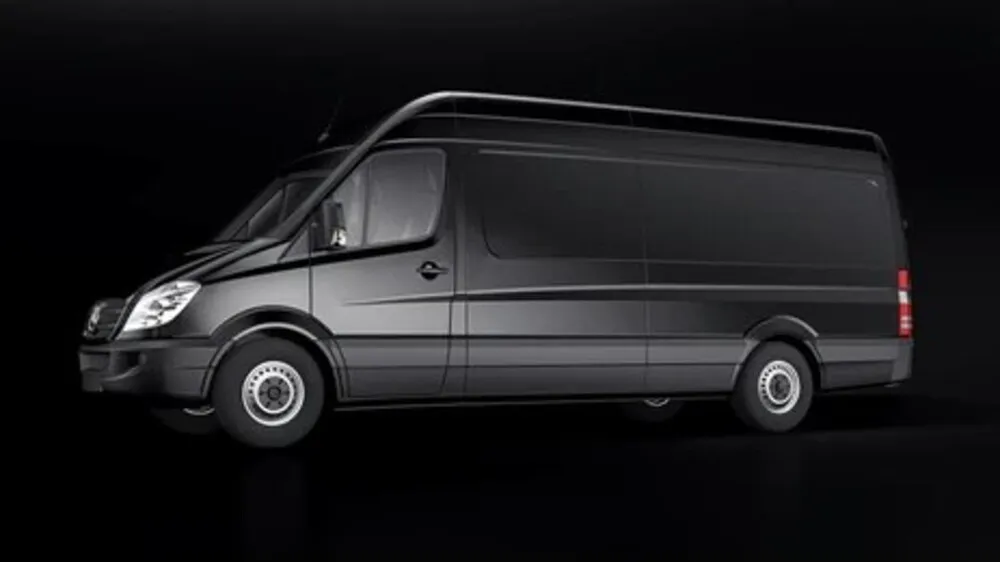

Description: |
|
| A commercial van becomes significantly more valuable when its interior is designed around the work being performed. Shelving, partitions, storage systems, power equipment, ladder racks, lighting, and other modifications can transform an empty cargo van into an organized mobile workspace. However, van upfitting costs vary considerably, making it important for businesses to understand what drives the final investment. Upfitting a Mercedes Benz Sprinter van is important to make sure your organized, and effeicient on each and every job site. How Much Does Van Upfitting Cost? A basic commercial van upfit may cost approximately $2,000 to $8,000, while a more complete trade-specific installation can range from $8,000 to $25,000. Advanced mobile workspaces and specialty conversions may cost $25,000 to $100,000 or more. These figures are general planning ranges rather than guaranteed prices. The actual cost depends on the vehicle, industry, equipment, materials, electrical requirements, installation complexity, and level of customization. Type of Van Upfit General Cost Range Basic cargo management $2,000–$8,000 Trade-specific shelving and storage $8,000–$25,000 Advanced mobile workspace $20,000–$50,000 Specialty commercial conversion $40,000–$100,000+ Businesses should evaluate more than the initial price. The right upfit can reduce time spent searching for equipment, protect expensive tools, improve workplace safety, and allow technicians to complete more appointments during the workday. What Is Included in a Basic Van Upfit? A basic upfit generally focuses on cargo control, driver protection, and simple equipment organization. It may include: This type of configuration is often suitable for delivery companies, cleaning businesses, couriers, and contractors with relatively straightforward storage needs. The vehicle itself can affect the price. A longer or taller van requires more material, while an extended-wheelbase model may need additional shelving, flooring, lighting, and cargo-control equipment. What Drives Van Upfitting Costs? Shelving and Storage Materials Steel shelving is durable and generally costs less than lightweight aluminum or composite systems. However, heavier materials reduce the amount of payload capacity available for tools, parts, and equipment. Lightweight systems may carry a higher upfront price but can provide meaningful operational advantages. Reducing unnecessary vehicle weight may improve payload flexibility and help limit fuel consumption over the van’s working life. Customization Standard shelving packages are usually more affordable because the components are already designed for common commercial applications. Custom fabrication costs more because it may require specialized design, manufacturing, and installation labor. Custom features can include: Customization should solve an identifiable operational problem. Adding equipment without a clear use case can increase cost and vehicle weight without improving productivity. Electrical and Power Requirements Electrical equipment can substantially increase commercial van upfit costs. Auxiliary batteries, inverters, generators, chargers, outlets, ventilation systems, and exterior lighting require both equipment and professional installation. Mobile technicians may need enough power to operate tools, computers, diagnostic equipment, pumps, or climate-control systems. The electrical system must be designed around the expected load rather than assembled from unrelated components. Roof-Mounted Equipment Ladder racks, conduit carriers, roof platforms, cargo boxes, and loading-assistance systems can add several thousand dollars to an upfit. The total depends on the equipment’s materials, load capacity, accessibility, and installation requirements. For contractors who load and unload ladders frequently, an ergonomic drop-down rack may cost more than a fixed rack but reduce strain and save time at every service call. Safety and Security Features Partitions, backup alarms, cameras, telematics, locks, cargo restraints, and interior security systems add to the initial investment. These features can also protect employees, vehicles, tools, and inventory. Tool theft can create costs far beyond the replacement value of the stolen equipment. It can delay scheduled work, disrupt customer relationships, and take a revenue-producing vehicle out of operation. Security should therefore be treated as part of the business case rather than an optional accessory. Installation Labor Upfit pricing includes more than equipment. Professional installation may require technicians to reinforce mounting points, route electrical wiring, distribute weight correctly, and ensure installed components do not interfere with the vehicle’s safety systems. Installation costs increase with complexity. A standard shelving package may require relatively limited labor, while a mobile workshop with power, water, ventilation, and specialty equipment can require extensive planning and installation. Typical Upfitting Costs by Industry Plumbing and HVAC Vans Plumbing and HVAC technicians usually need shelving, parts bins, refrigerant or tank restraints, pipe storage, tool drawers, and ladder racks. A functional plumbing or HVAC van setup may fall between $8,000 and $25,000, depending on the amount of equipment and customization required. Larger operations may also add inventory tracking, auxiliary power, exterior-access compartments, or service-specific equipment. Electrician Vans Electricians often need organized storage for wire, conduit, testers, power tools, fittings, and jobsite supplies. A professionally equipped electrician van may cost approximately $7,000 to $20,000 to upfit. The final price depends heavily on drawer systems, conduit carriers, interior lighting, charging stations, and security features. Delivery and Courier Vans Delivery businesses may require fewer permanent fixtures than service contractors. Flooring, bulkheads, shelving, cargo restraints, and package-management systems may cost between $2,000 and $12,000. Higher-volume delivery operations may invest in telematics, cameras, loading aids, partitions, and customized shelving designed around specific package sizes. Mobile Service Vans Locksmiths, appliance-repair companies, IT service providers, and equipment technicians often use their vans as mobile workshops. These builds may include workbenches, small-parts storage, tool charging, task lighting, and auxiliary power. A mobile service van upfit may range from $10,000 to $40,000, depending on its technical requirements. Specialty Commercial Vans Refrigerated delivery vehicles, mobile medical units, mobile grooming vans, wheelchair-accessible vans, and other specialized conversions require more extensive systems. Depending on the application, these builds may cost $40,000 to more than $100,000. Climate control, plumbing, electrical power, accessibility equipment, insulation, ventilation, and regulatory requirements can all increase the investment. Why the Cheapest Van Upfit Can Cost More Over Time Low-cost components can appear attractive when a business is purchasing its first commercial vehicle or outfitting multiple vans. However, poor-quality shelving, inefficient layouts, and improper installation may lead to repair expenses, damaged equipment, reduced productivity, and premature replacement. An ineffective layout also creates small delays that accumulate throughout the day. If a technician loses 15 minutes per service call searching for parts or moving equipment, the business may sacrifice hours of productive labor every week. A well-planned upfit should help employees: The most cost-effective upfit is therefore not always the one with the lowest purchase price. It is the configuration that produces the strongest operational return over the vehicle’s service life. How Businesses Can Control Van Upfitting Costs Businesses can manage their budgets by defining the operational requirements before choosing equipment. A practical planning process should include: Fleet operators should also consider standardizing layouts across similar vehicles. Standardization can simplify training, inventory control, maintenance, and replacement planning while making it easier for employees to move between vans. Should a Business Choose the Van or the Upfit First? The vehicle and upfit should be planned together whenever possible. Selecting a van without considering the equipment can result in insufficient payload capacity, inadequate interior height, limited cargo space, or an inefficient door configuration. Models such as the Mercedes-Benz Sprinters are available in different lengths, roof heights, and configurations. The correct choice depends on what the vehicle must carry, where it will operate, and how employees will access their equipment. Businesses in West Chester, Cincinnati, Dayton, and surrounding areas can review commercial van options with Mercedes-Benz Van Center of West Chester before finalizing an upfit. Coordinating the vehicle and equipment decisions can help prevent expensive modifications later. Frequently Asked Questions About Van Upfitting Costs How much does it cost to put shelving in a work van? Basic shelving may cost a few thousand dollars, while a complete trade-specific shelving and storage system can cost $8,000 to $20,000 or more. Materials, van size, drawer systems, installation, and accessories affect the price. Can van upfitting be included in vehicle financing? Upfitting costs can sometimes be incorporated into a commercial vehicle financing arrangement. Eligibility and terms depend on the lender, vehicle, equipment, and buyer’s financial qualifications. How long does it take to upfit a commercial van? A basic installation may be completed relatively quickly, while a customized or specialty build can require several weeks or longer. Equipment availability, fabrication requirements, and installer scheduling all influence the timeline. Does an upfit reduce a van’s payload capacity? Yes. Shelving, partitions, flooring, tanks, generators, and other equipment count toward the vehicle’s payload. Businesses must account for the weight of the upfit, tools, materials, passengers, and cargo. Is custom van upfitting worth the additional cost? Custom upfitting can be worthwhile when it improves workflow, protects equipment, supports specialized services, or allows technicians to complete more work. Customization delivers the most value when every feature addresses a defined business requirement. A Better Upfit Starts With a Better Business Plan Van upfitting costs can range from a few thousand dollars for basic cargo organization to more than $100,000 for a specialized commercial conversion. The appropriate budget depends on how the vehicle generates revenue and what employees need to work efficiently. Before purchasing equipment, businesses should evaluate their daily workflow, payload requirements, safety needs, and long-term operating costs. Companies serving Ohio, Kentucky, and Indiana can consult Mercedes-Benz Van Center of West Chester to compare commercial vehicles, explore upfitting options, and build a work-ready van around their operational goals. |
|
Members profile: |
|
| Advertised by: | SEO (click here to see full profile) |
| Email: | Email Advertiser |
Ad Details |
|
| Garage Spaces (put 0 if this does not apply) | 0.00 |
| Price: | $0 USD |
| Ad id: | 99335392 |
| Views: | 902 |